When you buy travel medical insurance for the United States, one of the first numbers you see is the maximum coverage limit.
$50,000
$100,000
$250,000
$1,000,000
It looks simple. It feels reassuring. But many visitors misunderstand what that number actually represents — and that misunderstanding can lead to serious financial risk.
This guide explains exactly what “maximum coverage limit” means, how it works in real medical situations in the U.S., what it does not include, and how to choose the right amount for your trip.
What Is the Maximum Coverage Limit?

The maximum coverage limit is the total amount the insurance company will pay during your policy period for covered medical expenses.
It is not:
- A guarantee that every expense will be paid.
- The amount you automatically receive.
- The amount per hospital visit (unless specified).
- The amount per illness (unless stated).
It is the total cap.
Once that limit is reached, you are responsible for all additional medical costs.
Why This Number Matters More in the USA
The United States has some of the highest healthcare costs in the world.
Here are realistic examples of common emergency costs:
- Emergency room visit: $2,000–$8,000
- Hospital admission (3 days): $20,000–$60,000
- ICU stay per day: $5,000–$15,000
- Emergency surgery: $40,000–$120,000
- Medical evacuation: $50,000–$250,000
Suddenly, that $50,000 policy may not feel like enough.
The maximum limit determines how much protection you truly have against catastrophic events.
How Maximum Coverage Actually Works in Practice
Let’s look at a scenario.
Example 1: $100,000 Maximum Coverage
Visitor suffers appendicitis.
Total hospital bill: $68,000
Policy maximum: $100,000
Deductible: $500
Co-insurance: 20%
Calculation:
- You pay $500 deductible
- Remaining: $67,500
- 20% co-insurance: $13,500
- Insurance pays: $54,000
You still have $32,000 remaining coverage available.
Now imagine a more severe case.
Example 2: ICU and Complications
Visitor experiences severe infection.
Total medical bills: $145,000
Policy maximum: $100,000
After deductible and co-insurance, once insurance reaches $100,000 paid:
You are responsible for everything beyond that amount.
That means potentially tens of thousands out-of-pocket.
This is why maximum coverage is not just a number — it is a financial ceiling.
Per Incident vs. Lifetime Maximum
Most travel medical insurance policies have a per policy maximum, meaning:
The limit applies to all medical events combined during your coverage period.
However, some policies also include:
- Per incident limits
- Per injury limits
- Specific caps for certain treatments
Example:
- Overall maximum: $100,000
- Emergency room limit: $10,000
- Surgery limit: $25,000
- Physical therapy limit: $2,000
Even if your overall maximum is high, sub-limits can restrict payouts.
Always review benefit breakdowns, not just the headline number.
What Maximum Coverage Does NOT Automatically Include
Many visitors assume the maximum covers “everything medical.”
Not necessarily.
Maximum coverage typically applies only to covered expenses, such as:
- Emergency hospitalization
- Surgery
- Diagnostic testing
- Ambulance services
It usually does not include:
- Routine checkups
- Preventive care
- Non-emergency dental
- Pre-existing conditions (unless acute onset covered)
- Elective procedures
So even if you have a $1,000,000 maximum, exclusions still apply.
Common Coverage Levels and Who They Suit
$50,000 Coverage
Suitable for:
- Very short trips
- Young, healthy travelers
- Visitors comfortable with some financial risk
Not ideal for:
- Seniors
- Visitors with higher health risk
- Long stays
One serious hospitalization can exhaust this limit quickly.
$100,000 Coverage
A common mid-level option.
Good for:
- Short to medium stays
- Younger adults
- Family visits under 3 months
However, ICU or complex surgery could approach this ceiling.
$250,000 Coverage
More comfortable protection.
Recommended for:
- Parents visiting the USA
- Seniors over 60
- Trips longer than 3 months
- Visitors who want stronger financial protection
This level significantly reduces catastrophic exposure.
$500,000 to $1,000,000 Coverage
Premium protection.
Best for:
- Seniors over 70
- Long-term visitors
- Individuals with higher risk tolerance concerns
- Peace-of-mind focused buyers
In the U.S., a complex emergency can exceed $250,000. Higher limits provide security.
The Human Reality: Most People Underestimate Risk
Many visitors choose coverage based only on price.
Lower premium = lower maximum limit.
But here’s the uncomfortable truth:
Serious medical events are rare — but when they happen in the U.S., they are financially devastating.
People rarely regret buying higher coverage.
They often regret buying too little.
Insurance is not about likely events. It’s about severe outcomes.
How Trip Length Affects Maximum Coverage Needs
Longer stay = greater exposure window.
For example:
- 2-week trip → Lower probability of major event
- 6-month stay → Increased cumulative risk
Statistically, more time increases the chance of needing medical care.
If staying 6+ months, consider at least $250,000 or more.
How Age Affects Maximum Coverage Decisions
Healthcare costs rise with age.
Seniors:
- Higher hospitalization likelihood
- Greater chance of complications
- Higher ICU probability
For travelers over 70, many advisors recommend minimum $250,000, often $500,000.
What Happens If You Reach Your Maximum?
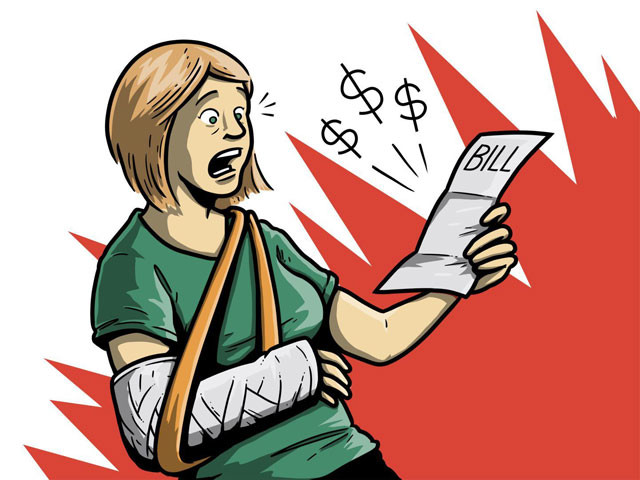
Once the insurer pays up to the limit:
- Coverage stops
- No further reimbursement
- You must self-pay
In catastrophic cases, unpaid bills can lead to:
- Debt collections
- Legal issues
- Visa complications
- Financial stress for family members
Choosing a realistic maximum limit protects not just you, but your loved ones.
Does Higher Maximum Coverage Increase Premiums Significantly?
Often, the difference is smaller than expected.
Example comparison (varies by age and duration):
- $100,000 coverage: $120/month
- $250,000 coverage: $145/month
- $500,000 coverage: $170/month
For a relatively small increase, financial protection can double or triple.
Always compare cost versus potential exposure.
Key Questions to Ask Before Choosing a Maximum Limit
- How long am I staying?
- What is my age?
- Do I have any known health risks?
- Could I afford $50,000+ out-of-pocket if something severe happens?
- Am I comfortable taking financial risk?
Insurance is a risk management decision, not just a budget decision.
Practical Recommendation for Most Visitors (2026)
For travel to the United States:
- Under 50 years old, short stay → $100,000 minimum
- Ages 50–69 → $250,000 recommended
- Over 70 → $250,000–$500,000 preferred
- Stay longer than 3 months → $250,000+
- Peace-of-mind priority → $500,000 or higher
These are general guidelines, not personal financial advice.
Final Thoughts
The maximum coverage limit is not marketing decoration. It is the financial boundary between manageable inconvenience and life-changing debt.
The U.S. healthcare system is world-class — and priced accordingly.
Choosing the right coverage limit means:
- Understanding real medical costs
- Evaluating personal risk
- Avoiding emotional decisions based solely on price
- Thinking beyond “it probably won’t happen”
Insurance is about preparing for the unexpected — not betting against it.